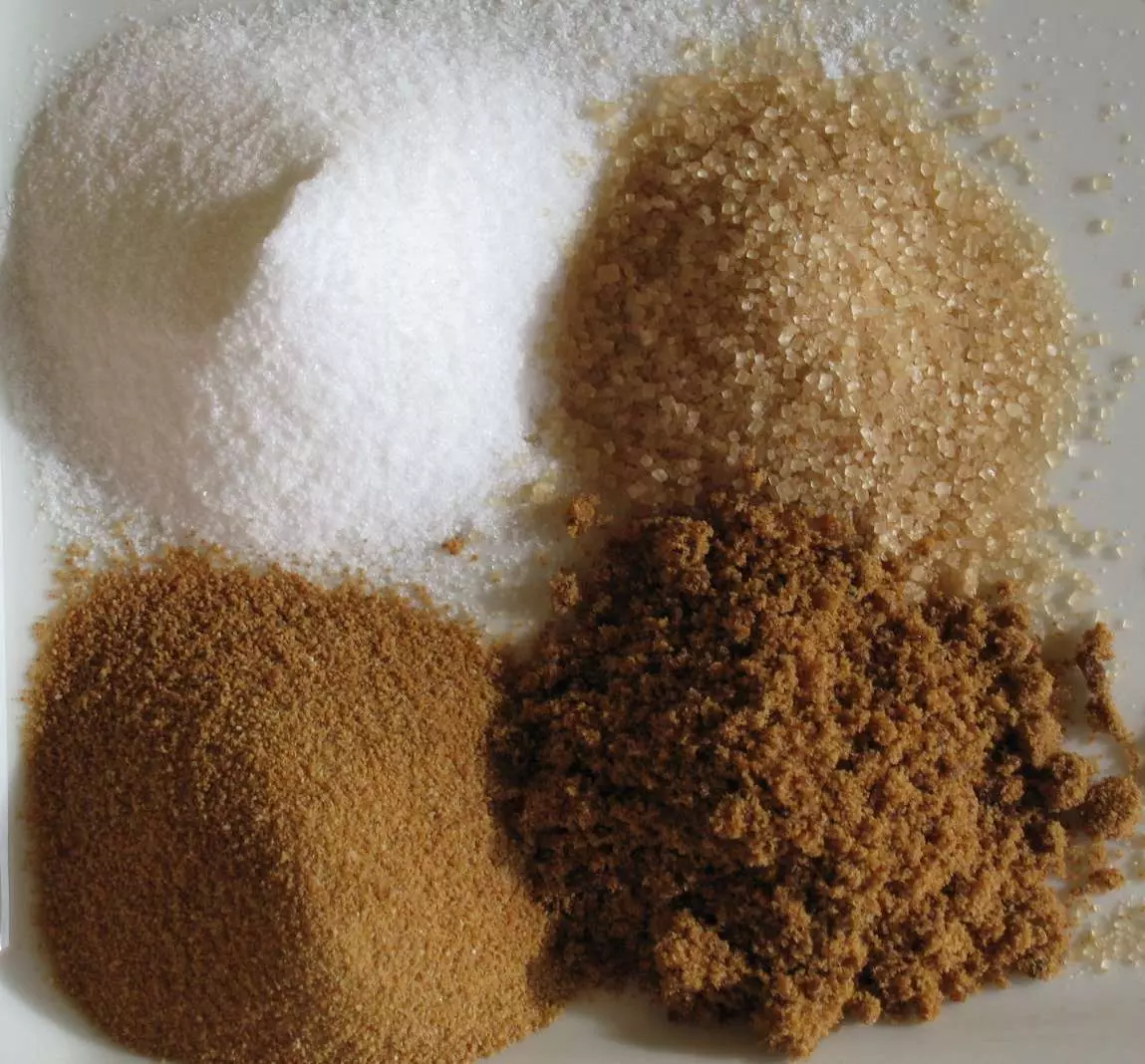
Partially inverted refiners sugar
Partially inverted refiners sugar is a sweetening ingredient that comes from sugar cane or sugar beet plants. It is a type of sugar that has been processed to break down some of its sucrose into fructose and glucose, giving it a different composition than regular table sugar. This process of inversion helps prevent the sugar from crystallising and makes it more stable in certain food products.
To make partially inverted refiners sugar, regular sugar is heated with water and an acidic substance, such as cream of tartar or lemon juice. This causes the sucrose molecules to break down into simpler sugars like fructose and glucose. The mixture is then neutralised to stop the inversion process. The result is a sugar that is sweeter than regular sugar and resistant to crystallisation.
Partially inverted refiners sugar is commonly used in food products like jams, jellies, and baked goods. It is often chosen for its ability to enhance flavour, improve texture, and increase the shelf life of these items. The presence of partially inverted refiners sugar in foods can contribute to a smoother mouthfeel, a richer taste, and a moister texture. Next time you enjoy a fruity jam or a soft-baked cookie, you might just be tasting the effects of this versatile ingredient.